

Supplements in Perimenopause and Menopause
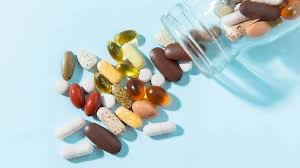
💊 A tale of becoming a supplement believer, a patient testimonial! 💊
Why do supplements become so important during perimenopause and menopause?
After years of getting by with only taking my birth control pill and maybe a Vitamin C when I felt a tickle in my throat, at 48 years old I have become almost obsessive about my supplement regimen. It all began with the desperation of doing anything to feel better, even if it meant swallowing 16 pills and gallons of water to either start or end my day. Now that I am feeling better and adjusted to the routine of taking the supplements I am curious…how was I able to survive all those years with zero supplements?
Supplements often become more important in the menopause transition because the body undergoes major hormonal changes—primarily the decline of estrogen and progesterone—that affect bone health, heart health, metabolism, and overall well-being. While a balanced diet is always the foundation, supplements can help bridge gaps and target specific needs that arise during this stage of life. Here are some examples:
1. Bone Health
- Calcium & Vitamin D and K2: Estrogen helps protect bones; when it declines, the risk of osteoporosis rises. Supplements support bone strength and reduce fracture risk.
2. Heart & Metabolism
Omega-3 fatty acids: Support cardiovascular health and may help with inflammation, mood, and cognitive function.
- B vitamins (especially B6, B12, folate): Important for energy metabolism and heart health, especially since homocysteine levels can rise after menopause.
3. Mood & Sleep
- Magnesium Glycinate or L- Threonate: Supports sleep quality and stress reduction.
- Vitamin D & Omega-3s: Linked to improved mood and reduced risk of depression.
4. Healthy Aging & Overall Wellness
- Collagen with fortibone and verisol: May help with skin elasticity and bone health as estrogen loss accelerates skin & bone aging.
- Antioxidants (vitamins C, E, selenium, CoQ10): Support cellular health and may counteract oxidative stress, which increases after menopause.
5. Gut Health
- Fiber: serves as a prebiotic and balances glucose
- Fermented foods: yogurt, kefir, pickles, kimchi, sauerkraut, kombucha, miso, sourdough. Provides probiotic good bacteria
6. Muscle Health
- Creatine
- Protein
That said, supplements are not a replacement for whole foods, physical activity, and lifestyle habits—they’re most effective when filling nutrient gaps or addressing specific symptoms. Please consult a healthcare provider, avoid toxic levels of supplementation and look for brands that are 3rd party tested.